Monday, October 19, 2026

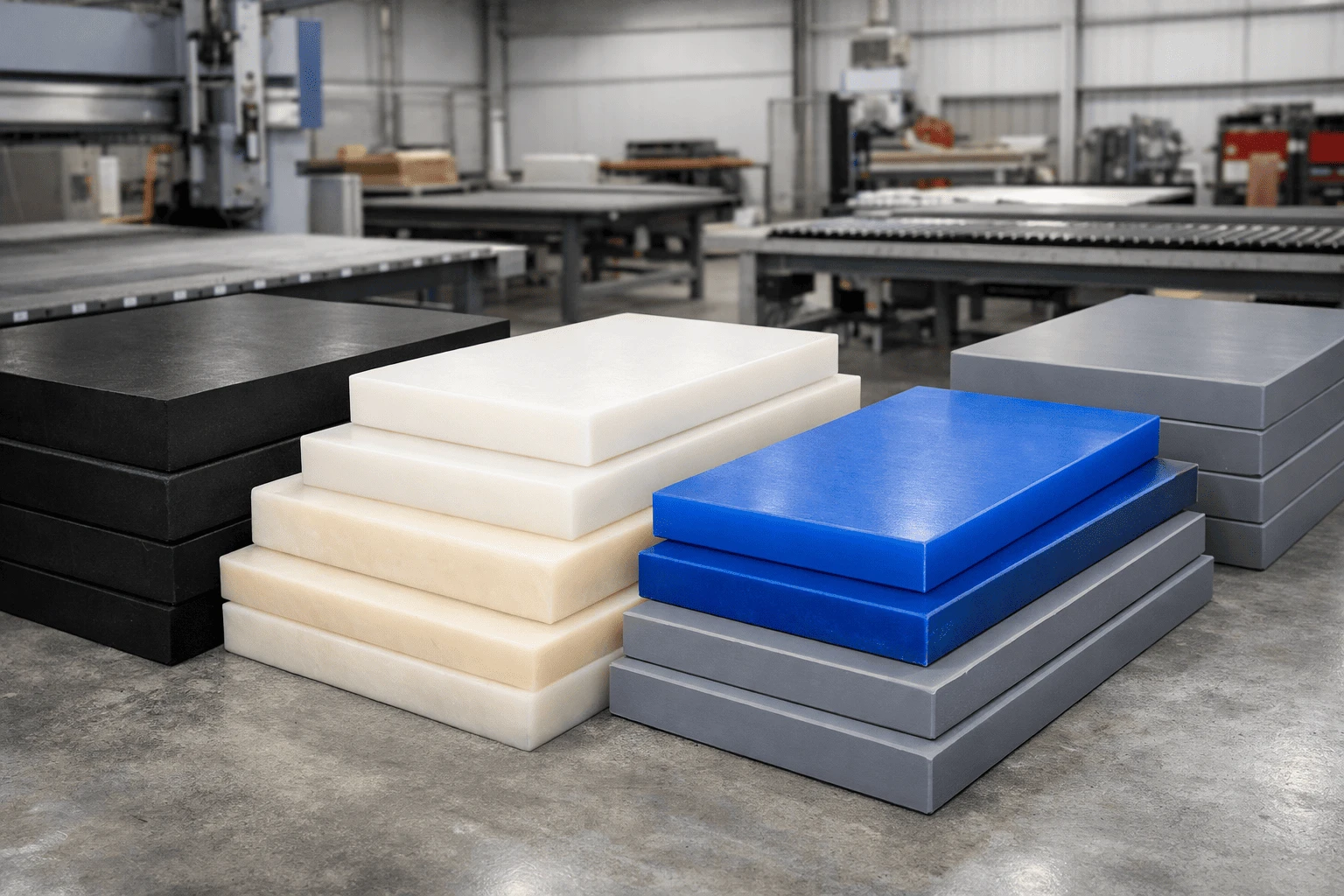
* All product/brand names, logos, and trademarks are property of their respective owners.
Modern UK businesses operate in environments where efficiency, durability, and cost control are constant priorities. Whether in manufacturing, warehousing, food production, engineering workshops, or facilities management, the materials chosen for fabrication, protection, and structural support directly influence operational performance.
Plastic sheets have become a practical solution across industrial sectors because they offer resistance to corrosion, moisture, chemicals, and impact while remaining lightweight and easy to machine. Unlike timber, they do not rot or warp. Unlike metal, they do not rust. With multiple grades and thicknesses available, plastic sheets can be specified to meet precise technical requirements without overengineering a solution. From heavy-wear industrial systems to precision engineering components, the following sections explore how different material grades support modern commercial applications.
Ultra-High Molecular Weight Polyethylene (UHMWPE) is widely recognised for its exceptional abrasion resistance and extremely low coefficient of friction. In environments where equipment components face constant sliding contact or heavy material flow, reducing friction and wear is critical to maintaining uptime.
Thicker UHMWPE sheets are often assessed in high-impact areas where structural resilience is required. Options ranging from 15mm to 50mm and beyond can help absorb repeated shock loads while maintaining surface integrity. In conveyor systems, guide rails, and chute linings, these sheets minimise friction-related damage and reduce the likelihood of premature component failure.
Greater thicknesses, including 30mm, 50mm, and even 80mm grades, are frequently evaluated for bulk handling and heavy-duty lining applications. The low-friction surface supports smoother material transfer, helping to prevent build-up and operational slowdowns. For operations exposed to continuous abrasion, UHMWPE provides a reliable balance between durability and machinability.
PE500 offers a practical combination of impact resistance and ease of fabrication. It performs well in environments where moderate mechanical stress is present but ultra-high wear resistance is not essential.
Available in multiple colours, PE500 sheets can support organised workflows. In regulated sectors such as food processing or pharmaceutical manufacturing, colour differentiation can assist with zone management and contamination control strategies. Thicknesses between 12mm and 25mm are commonly used for fabricated panels, protective barriers, and work surfaces.
Mid-range thickness options provide sufficient rigidity for protective installations while remaining lightweight enough for easier installation and handling. Their moisture resistance makes them suitable for washdown environments and damp facilities.
RG1000 is frequently specified where material flow efficiency is a priority. Its enhanced glide properties make it suitable for hoppers, chutes, and conveyor components.
Thicknesses ranging from 6mm to 80mm can be selected depending on abrasion levels and structural demands. In high-throughput environments, these sheets help maintain consistent movement while reducing wear on supporting frameworks.
Green RG1000 options are useful when easy identification is needed, while their low-friction properties prevent material buildup. Plastic Sheets offer a practical material solution in industrial systems that demand durability and minimal maintenance.
High-Density Polyethylene (HDPE) is valued for its strong strength-to-weight ratio and resistance to moisture and chemicals. It is frequently used in tank linings, partitions, fabricated guards, and hygienic panels.
Thinner sheets (1mm to 5mm) are often selected for linings and protective barriers, while thicker panels (up to 30mm or more) can provide additional rigidity for structural applications. HDPE remains stable in damp conditions, making it suitable for environments where water exposure is common.
For more demanding structural requirements, thicker HDPE sheets offer enhanced strength while maintaining corrosion resistance. Their workability also allows for custom fabrication without complex tooling processes.
Acetal sheets are widely used in precision engineering due to their rigidity and low moisture absorption. They maintain dimensional stability under mechanical load, making them appropriate for machined components.
Thicknesses ranging from 4mm to 40mm are commonly reviewed for fabricated gears, bearings, and structural components requiring tight tolerances.
Black acetal variants may be selected where additional wear resistance or aesthetic uniformity is required in mechanical assemblies. For businesses focused on accuracy and consistency, acetal offers dependable mechanical performance.
Nylon sheets are known for their toughness and ability to withstand repeated mechanical stress. They are often specified for wear pads, bushes, rollers, and moving components.
Thickness options between 8mm and 30mm are frequently used in applications requiring resilience and impact resistance.
Where slightly enhanced strength or temperature tolerance is necessary, Nylon 6.6 grades may be evaluated. These sheets are commonly machined into components subjected to continuous motion.
PTFE is recognised for its chemical inertness and high-temperature resistance. It is often specified in environments exposed to aggressive chemicals or elevated temperatures.
Thinner sheets (0.25mm to 2mm) are suitable for sealing layers, gaskets, and protective linings where flexibility is required.
Thicker PTFE sheets can provide additional rigidity while retaining their resistance to chemical attack. Their stability under temperature fluctuation makes them suitable for specialised industrial uses.
Polypropylene sheets are frequently selected where chemical exposure is a primary concern. They resist a broad range of acids and alkalis while remaining lightweight and easy to fabricate.
Thickness options ranging from 1mm to 30mm allow flexibility for both light-duty panels and more rigid installations. Their adaptability supports fabrication into tanks, ducting, and protective surfaces.
PVC sheets remain a practical choice for wall cladding, machine guards, and general fabrication tasks.
Thinner PVC sheets are often used for surface applications and protective cladding, while mid-range options provide moderate rigidity for fabricated components.
For heavier installations, thicker PVC sheets offer increased stiffness and durability while maintaining resistance to moisture and chemicals.
Selecting the right plastic sheet involves aligning material characteristics with operational demands. Load requirements, friction exposure, chemical contact, environmental conditions, and long-term maintenance considerations all influence performance outcomes. When evaluated carefully, plastic sheets can contribute to reduced downtime, improved safety, and greater operational consistency. Rather than focusing solely on initial cost, businesses benefit from considering lifecycle performance and application suitability.
Thoughtful specification ensures materials work with systems — not against them — supporting sustainable efficiency in modern commercial environments. For businesses reviewing technical data and available sheet grades, further details can be accessed directly via primeplasts.uk, where the full product range and material information are outlined for reference.

Writes about the intersection of technology, business, and innovation, with a focus on digital transformation and modern industry trends. Believes strong insights and clear communication are key to impactful content.
When building a solar power system, choose every part carefully. The solar cable needs special atten
22 September 2026
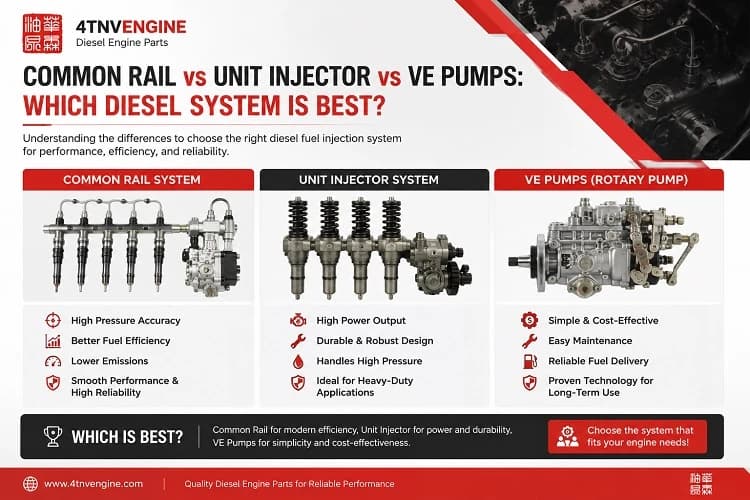
The selection of the correct diesel injector system goes beyond technology. It has a direct effect o
18 August 2026
In industrial settings, webbing is one of those “small” components that quietly holds ev
19 February 2026
Be the first to share your thoughts
No comments yet. Be the first to comment!
Share your thoughts and join the discussion below.



.webp&w=3840&q=75)