Monday, October 19, 2026

* All product/brand names, logos, and trademarks are property of their respective owners.
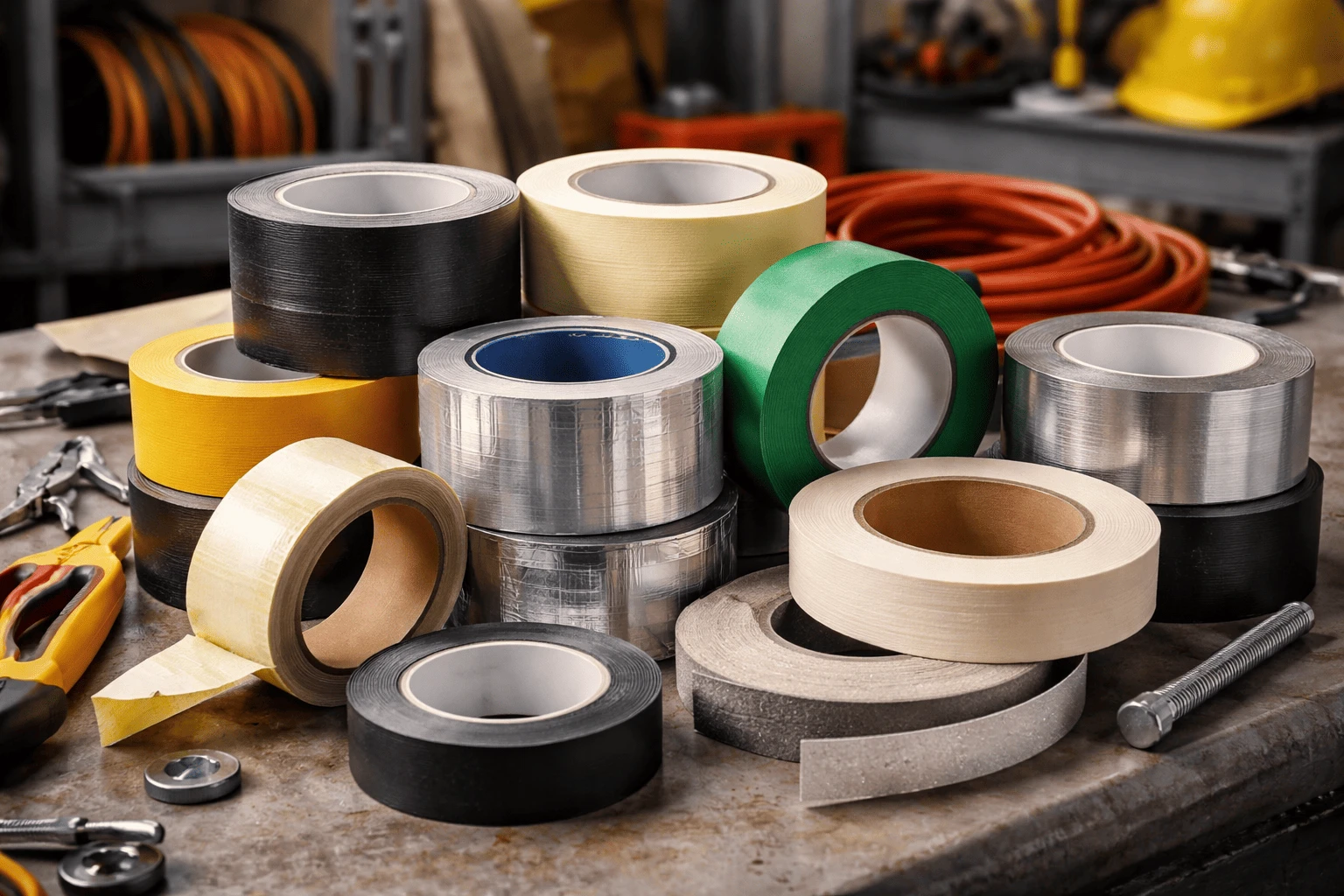
In the fast-paced world of industrial operations, having the right tools and materials can make all the difference — and one of the most overlooked yet essential items in any industrial setting is tape. From securing components on an assembly line to marking out hazardous zones on factory floors, tapes serve a wide range of functions that go beyond basic sticking power. Whether you’re in manufacturing, construction, logistics, or electrical work, there’s a type of tape designed specifically to meet your industry's unique needs.
Tapes used in industrial settings aren't your everyday household products. These are high-performance materials engineered to withstand extreme conditions such as high temperatures, moisture, abrasion, and even chemical exposure. From general-purpose adhesive tapes to specialized anti-slip and floor tapes, each variant is designed with a specific function in mind. And choosing the right one isn’t just about getting the job done — it’s also about ensuring safety, efficiency, and cost-effectiveness in your processes.
One of the key reasons industrial tapes are so vital is their versatility. For example, in the automotive industry, heat-resistant tapes are used for wire harnessing, while in the construction sector, barrier tapes help with zoning and hazard marking. In electronics, double-sided tapes provide strong, clean bonding for delicate components. These varied uses show just how integrated tape products have become in industrial ecosystems.
The most commonly used industrial tapes, their characteristics, and how different sectors apply them in day-to-day operations. Whether you're sourcing tapes for your facility or simply trying to understand which type fits your specific need, this guide will help you make informed decisions.
Industrial tapes come in a wide variety of forms, each engineered to solve specific challenges across sectors like manufacturing, construction, electronics, and logistics. Understanding their core characteristics helps ensure proper application and long-term reliability.
One of the most widely used categories, pressure-sensitive adhesive tapes require no heat or water to activate — just a firm press. They're known for their versatility, ease of application, and immediate bonding strength. Whether it’s bundling cables, sealing cartons, or general-purpose mounting, PSA tapes serve as a go-to solution in almost every industry.
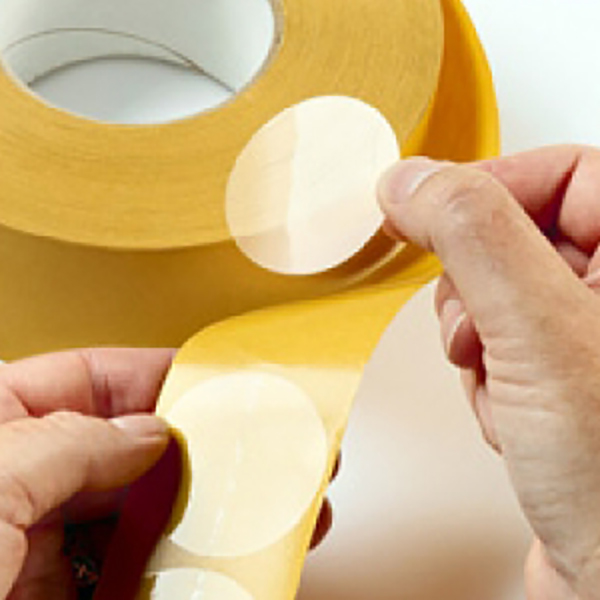
These tapes are available in multiple formats, including double-sided tapes for mounting tasks, cloth tapes for extra durability, and even anti-slip tapes for enhanced safety on floors and stairs.
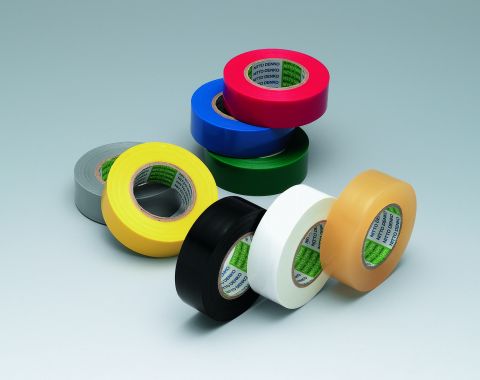
Specifically designed for the electrical and electronics industries, these tapes provide insulation against voltage and environmental factors like moisture or chemicals. Typically made of vinyl or rubber, they’re flame-retardant and flexible, making them ideal for wrapping wire splices and protecting exposed circuits.
In more advanced applications, high-temperature resistant insulating tapes are used in automotive and aerospace settings, where regular materials might fail.
Duct tapes are known for their strong adhesive grip and water resistance, making them a go-to solution for quick repairs and sealing applications. However, cloth tapes offer added durability, especially in environments where heat and abrasion are a concern.
Then there’s barrier tape, commonly used to mark off restricted or hazardous areas. In industrial settings, these are vital for ensuring worker safety by visually identifying no-go zones, construction zones, or chemical spill areas.
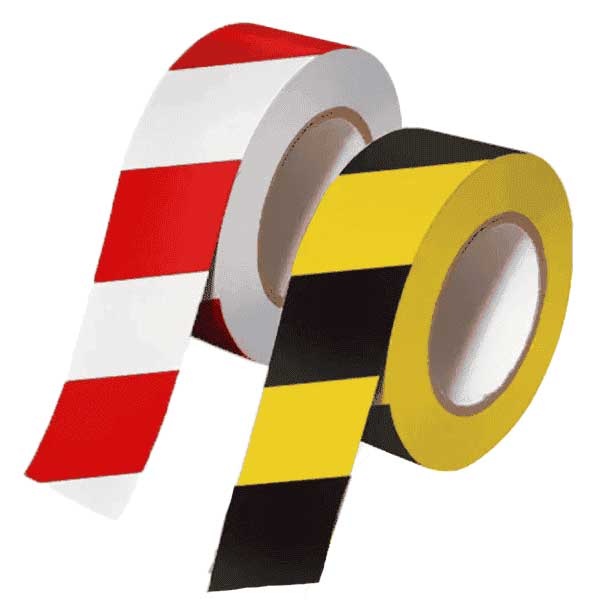
Workplace safety is non-negotiable, and floor tapes play a crucial role in marking pathways, alerting workers to hazards, and organizing workspace layouts. They are made to withstand high foot and vehicle traffic, ensuring longevity and visibility.
For even more grip in high-risk zones, anti-slip tapes are applied on stairs, ramps, and slick surfaces to prevent slips and falls. Their rugged, textured surface provides additional traction, even in wet or greasy conditions — a must-have in factories, workshops, and food processing plants.
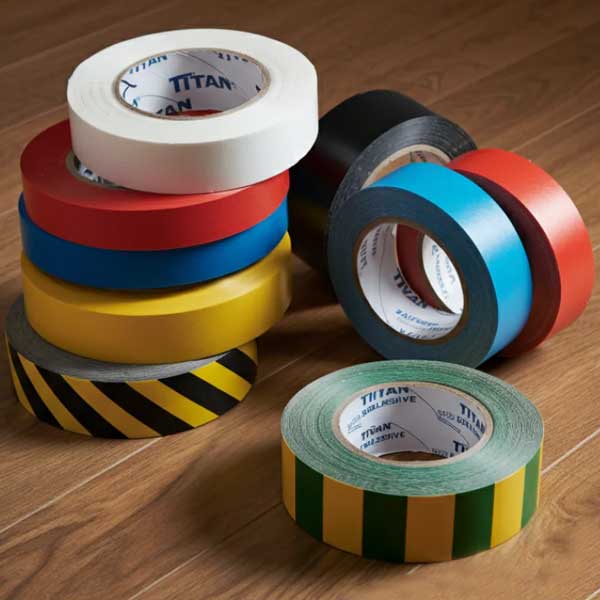
Industrial tapes are engineered to meet the demands of specific environments. Their performance, durability, and specialized features make them essential across various sectors. Below are key examples of how industries use different tapes for safety, productivity, and problem-solving.
In manufacturing environments, speed and precision are critical — and tapes play a surprisingly large role. Adhesive tapes are used for component bonding, especially when mechanical fasteners are impractical. Double-sided tapes are commonly used for panel assembly, mounting parts, or joining lightweight materials.
For packaging and logistics within factories, industrial tapes help seal cartons, label materials, and secure pallets. Some production lines also rely on cloth tapes for bundling cables or anti-slip tapes to improve floor safety around fast-moving machinery.
For a reliable range of tapes designed specifically for industrial settings, check out the Tapes collection on M Industrial Safety.
In construction and building maintenance, tapes are used for everything from insulation to hazard marking. For instance, floor tapes help organize warehouse traffic flow or mark designated equipment zones, while barrier tapes clearly identify restricted or dangerous areas on site.
HVAC professionals often use duct tape for sealing and joining ductwork, as well as adhesive tapes for mounting insulation materials. Anti-slip tapes are especially useful in high-traffic construction zones, reducing the risk of workplace accidents caused by wet or uneven surfaces.
These sectors require precision — and the right tape can make or break a project. In electronics, double-sided adhesive tapes are used for bonding displays, sensors, or circuit boards without adding bulk. Meanwhile, electrical tapes ensure safe insulation and circuit protection.
In the automotive world, heat-resistant and pressure-sensitive tapes are crucial for cable wrapping and trim attachment. Tapes here need to withstand vibration, moisture, and heat, often in harsh environments.
Safety-focused industries, such as chemical plants and food processing units, use anti-slip and floor tapes to meet compliance and reduce accidents.
Tapes may seem like simple tools, but in industrial environments, they are anything but. Their ability to bond, seal, insulate, mark, and protect makes them indispensable across countless sectors. Whether you're managing a construction site, running a production line, or handling sensitive electronics, choosing the right type of tape can improve efficiency, enhance safety, and reduce operational downtime.
From floor tapes that organize spaces and prevent accidents to adhesive tapes used in delicate electronic assemblies, every tape serves a purpose. The key is understanding what works best for your specific industry and application — and investing in high-quality, reliable tape solutions.
For professionals looking to streamline operations or upgrade safety measures, sourcing from a trusted supplier makes all the difference. That’s where platforms like M Industrial Safety come in — offering a wide range of industrial tapes and accessories tailored to real-world industrial needs.
In a world where precision and performance matter, the right tape isn’t just a tool — it’s a solution.

M Industrial Safety UK supplies reliable, high-quality safety and industrial products for workplaces across the UK. From PPE and safety footwear to site and industrial equipment, we provide compliant solutions designed to protect people and support professional environments. With a focus on quality, reliability, and customer service, we help businesses stay safe, efficient, and compliant — every day.
When building a solar power system, choose every part carefully. The solar cable needs special atten
22 September 2026
The selection of the correct diesel injector system goes beyond technology. It has a direct effect o
18 August 2026
In industrial settings, webbing is one of those “small” components that quietly holds ev
19 February 2026
Be the first to share your thoughts
No comments yet. Be the first to comment!
Share your thoughts and join the discussion below.



.webp&w=3840&q=75)