Monday, October 19, 2026

* All product/brand names, logos, and trademarks are property of their respective owners.
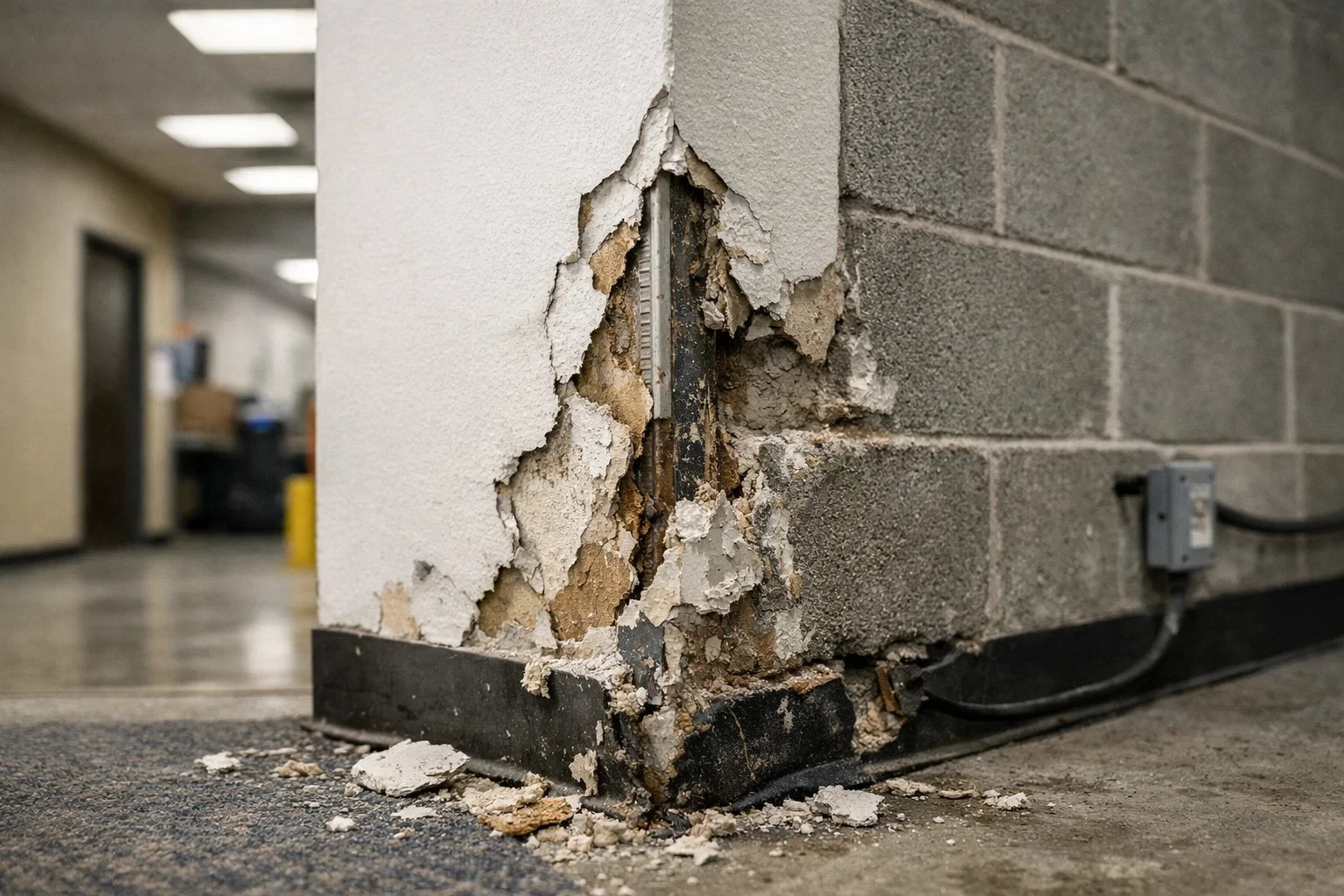
Corners in commercial buildings are some of the most vulnerable yet overlooked parts of any structure. From shopping centres and hospitals to offices, hotels, and warehouses, corners are constantly exposed to impact, friction, and environmental stress. Over time, this leads to visible damage such as chipped plaster, cracked concrete, dented drywall, and worn paint — all of which make a building look poorly maintained and unsafe. For property managers and business owners, corner damage is more than just an appearance issue. Damaged corners can create safety hazards, reduce property value, and increase long-term maintenance costs. Worse still, repeated repairs without proper protection often lead to the same problems resurfacing again and again.
The reality is simple: corners are high‑impact zones. They sit in walkways, corridors, loading areas, and entrances — exactly where people, equipment, and trolleys move most frequently. Without proper reinforcement or protection, damage is almost guaranteed.
The good news? These problems are 100% preventable with the right approach.
At CornerProtector UK, we help commercial properties protect vulnerable wall edges using durable, purpose‑built solutions. Our dedicated Wall Corner Protector Collection is designed to reduce repair costs, improve safety, and maintain a professional appearance across all types of commercial buildings.
In this guide, we’ll explore:
Corner damage doesn’t happen overnight. It builds up slowly through daily use, environmental exposure, and construction limitations. Understanding these causes helps you choose the right solution.
Commercial buildings experience significantly more foot traffic than residential spaces. Corridors, hallways, entrances, and service routes see constant movement throughout the day.
Each small impact may seem harmless, but repeated contact weakens corner edges over time. Paint chips away, plaster cracks, and exposed materials become vulnerable to moisture and further deterioration.
High‑traffic environments such as hospitals, schools, retail stores, and office buildings are especially prone to this type of damage.
Another major cause of corner damage lies in how buildings are constructed.
When corners aren’t reinforced properly during construction, even minor bumps can cause cracking or chipping. Over time, this leads to frequent patch repairs that never fully solve the problem.
Exterior corners and corners near plumbing systems face additional risks.
Moisture penetrates cracks and weak joints, slowly breaking down materials from the inside. This often leads to crumbling edges, mould growth, and structural weakening — especially in older commercial buildings.
Once corner damage appears, ignoring it only increases future repair costs. The key is combining repair methods with long‑term protection.
The most effective and cost‑efficient solution is installing purpose‑built wall corner protectors. These products absorb impact and shield vulnerable edges from damage.
By installing protection once, you significantly reduce the need for repeated repairs.
You can explore professional‑grade options in the Wall Corner Protector Collection at CornerProtector UK, designed specifically for commercial use.
If damage has already occurred, repairs may be necessary before installing protection.
For severe damage, professional contractors may need to rebuild the corner structure to restore integrity.
Protection works best when paired with routine maintenance.
Preventive maintenance saves both time and money in the long run.
Many businesses hesitate to invest in corner protection, assuming repairs are cheaper. In reality, the opposite is true.
Over several years, these costs add up significantly.
Installing commercial wall corner protectors is a smart investment that pays for itself quickly.
Not all corners need protection — but some absolutely do.
Targeting these zones delivers the highest return on investment.
Q: Are corner protectors suitable for modern interiors?
A: Yes. Many designs are sleek, minimal, and available in neutral colours to match modern aesthetics.
Q: Can corner protectors be installed on existing walls?
A: Absolutely. Most products are designed for retrofitting without major disruption.
Q: Do corner protectors meet safety standards?
A: High‑quality commercial protectors are designed with safety and durability in mind.
Q: How long do corner protectors last?
A: With proper installation, they can last over a decade even in busy environments.
Corner damage is one of the most common — and preventable — maintenance issues in commercial buildings. From daily impacts to environmental stress, corners face constant pressure that leads to cracks, chips, and costly repairs. By understanding the causes and investing in the right solutions, you can protect your building, improve safety, and significantly reduce maintenance expenses.
At CornerProtector UK, we provide reliable, commercial‑grade solutions designed for real‑world use. Our Wall Corner Protector helps businesses protect their investment while maintaining a clean, professional appearance.
Protect once. Save for years.

Corner Protector UK is a specialist supplier of durable corner protection solutions designed to safeguard walls, edges, and surfaces in residential, commercial, and industrial spaces. The company focuses on delivering high-quality products that enhance safety, durability, and long-term maintenance.
When building a solar power system, choose every part carefully. The solar cable needs special atten
22 September 2026
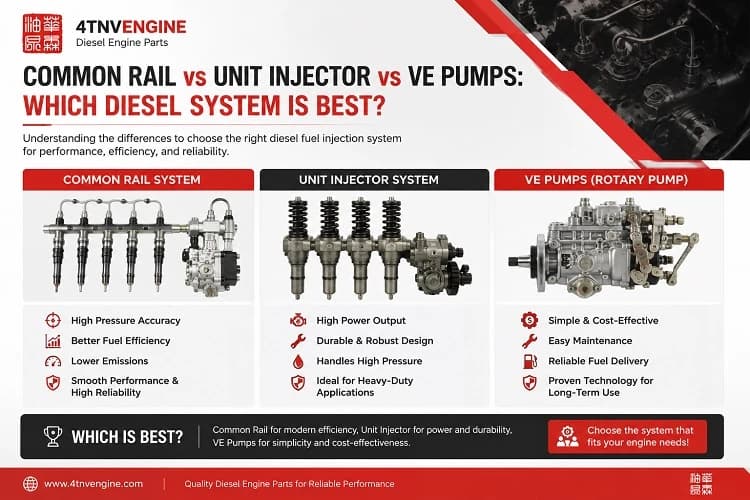
The selection of the correct diesel injector system goes beyond technology. It has a direct effect o
18 August 2026
In industrial settings, webbing is one of those “small” components that quietly holds ev
19 February 2026
Be the first to share your thoughts
No comments yet. Be the first to comment!
Share your thoughts and join the discussion below.



.webp&w=3840&q=75)