Monday, October 19, 2026

* All product/brand names, logos, and trademarks are property of their respective owners.
Daily wear and tear on walls is easy to ignore at first. A small scuff near a doorway, a chipped corner in a hallway, or a dent caused by moving furniture may not seem like a big issue. Over time, though, these little marks start to make a property look tired and poorly maintained.
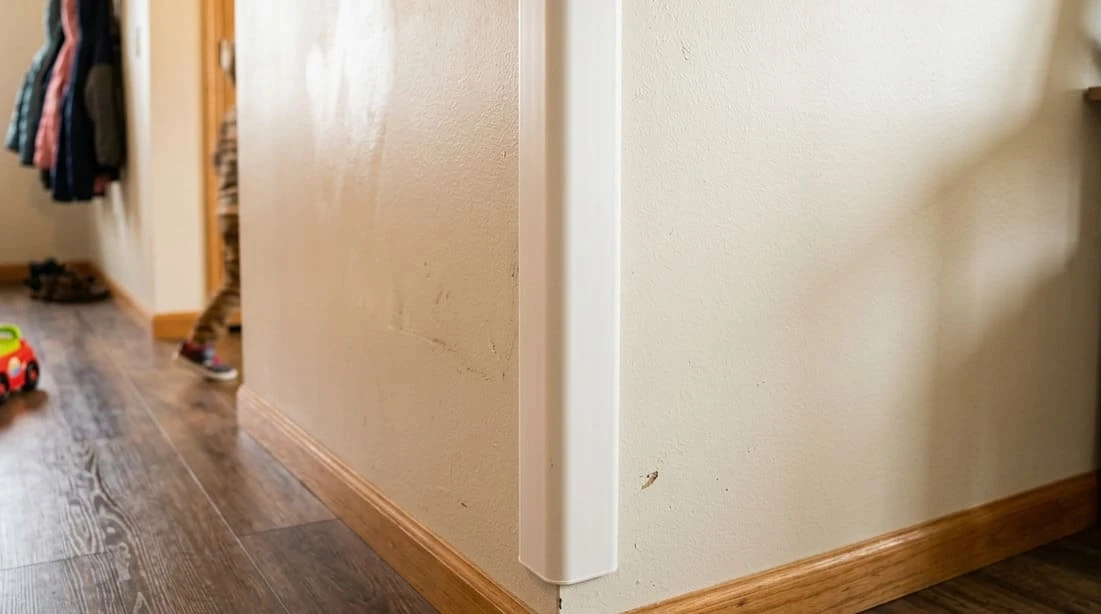
That was exactly the problem we noticed. The walls were not being damaged by anything unusual. It was everyday movement: bags brushing past corners, chairs catching edges, deliveries coming through narrow entrances, and people rushing through busy areas. Repainting helped for a while, but the same corners soon looked worn again.
Wall corners often suffer more damage than people realise. Everyday activities such as moving furniture, carrying bags, or navigating busy corridors can quickly leave corners chipped, scuffed, and worn.
While a single mark may seem insignificant, repeated impacts can lead to ongoing repainting, filling, and repair work. Over time, these maintenance costs add up and can affect the overall appearance of a property. Rather than continually fixing the same problem, many property owners find that protecting vulnerable corners is a more practical long-term solution.
Not every part of a building experiences the same level of wear. Certain areas face repeated contact throughout the day, making them more prone to corner damage.
Schools, offices, healthcare facilities, and hospitality venues often experience frequent movement of people and equipment. This constant activity increases the likelihood of corners being bumped, scraped, or dented over time. Identifying these vulnerable areas is often the first step towards reducing maintenance costs and preserving the appearance of interior spaces.
Many people respond to damaged corners with a quick repair. A little filler, a fresh coat of paint, and the wall looks good again—for a while.
The issue is that the underlying cause remains unchanged. In busy areas, the same corners are likely to be knocked again, leading to another round of repairs.
Repeated maintenance can become both time-consuming and costly, especially in commercial properties. Protecting vulnerable corners helps reduce ongoing repair work and keeps walls looking presentable for longer. Rather than constantly restoring damaged surfaces, a preventative approach can offer a more practical and cost-effective solution.
Installing corner protection can make a noticeable difference in both appearance and maintenance requirements.
Corners are shielded from everyday knocks, helping to prevent chips, dents, and scuff marks in high-traffic areas.
With vulnerable edges protected, there is often less need for frequent repainting and repair work, saving time and effort.
Well-maintained walls contribute to a cleaner and more professional look, whether in a home, office, school, or commercial property.
Corner protection helps preserve wall finishes by absorbing the impact that would otherwise damage the surface underneath. For many property owners, the biggest advantage is simple: fewer repairs and walls that stay in better condition for longer.
Not all spaces have the same protection requirements. Choosing the right solution depends on the level of traffic, the type of building, and the desired appearance. Adding Wall Corner Protectors turned out to be a simple but highly effective way to stop the cycle of repeated wall damage.
Before selecting corner protection, consider:
Busy commercial settings such as schools, healthcare facilities, and offices often benefit from durable protection designed to withstand frequent contact. In residential properties, appearance may be a higher priority, making discreet options more suitable. By assessing the specific demands of a space, property owners can choose a solution that balances protection, durability, and visual appeal.
Corner protection can be valuable in almost any building, but some environments benefit more than others due to higher levels of daily activity.
Homeowners can protect vulnerable corners in hallways, staircases, and entrance areas where accidental knocks are common.
Landlords often use corner protection to help reduce maintenance between tenancies and keep properties looking well-maintained.
Schools and colleges experience constant foot traffic, making wall corners particularly susceptible to damage from bags, equipment, and everyday movement.
Offices, retail stores, and hospitality venues can benefit from improved wall durability while maintaining a professional appearance for staff and visitors.
Hospitals, clinics, and care homes frequently move equipment through corridors, increasing the need for reliable corner protection in busy areas. Regardless of the property type, protecting vulnerable wall corners can help minimise wear and support a cleaner, more presentable environment.
A. Yes, they can be installed on most existing walls with minimal disruption.
A. Yes, they are widely used in offices, schools, healthcare facilities, and retail environments.
A. No. Occasional cleaning is usually enough to keep them looking their best.
Wall corner damage is often caused by everyday activity rather than major accidents. Over time, these small impacts can lead to chipped paint, dents, and ongoing maintenance costs that affect both the appearance and upkeep of a property. By focusing on prevention rather than repeated repairs, property owners can reduce wear in vulnerable areas and maintain a cleaner, more professional environment. Whether in a home, school, office, healthcare facility, or retail setting, corner protection offers a practical way to minimise damage and extend the life of interior walls.

Corner Protector UK is a specialist supplier of durable corner protection solutions designed to safeguard walls, edges, and surfaces in residential, commercial, and industrial spaces. The company focuses on delivering high-quality products that enhance safety, durability, and long-term maintenance.
Water marks on faucets can make an otherwise clean kitchen or bathroom look untidy. These marks ofte
14 October 2026
In today’s world, the construction industry faces growing pressure to reduce its environmental
20 January 2026
Be the first to share your thoughts
No comments yet. Be the first to comment!
Share your thoughts and join the discussion below.


.webp&w=3840&q=75)