Monday, October 19, 2026

* All product/brand names, logos, and trademarks are property of their respective owners.
In today’s world, the construction industry faces growing pressure to reduce its environmental impact and shift toward greener, more sustainable practices. From climate change concerns to rising energy costs, architects, builders, and homeowners alike are searching for materials that balance performance with eco-friendliness.
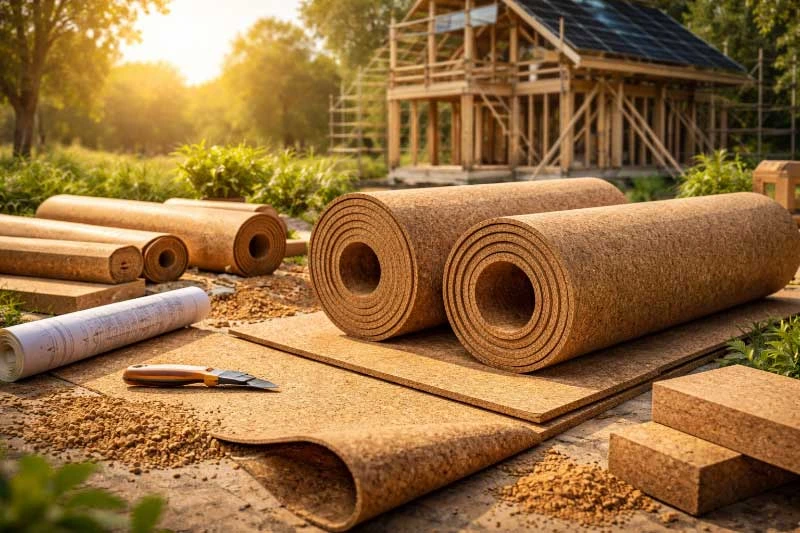
One natural material that’s quietly making a big impact is cork. Often associated with wine bottles or bulletin boards, cork is emerging as a powerful player in sustainable building — especially in roll form. Unlike traditional insulation products, cork rolls offer a combination of flexibility, durability, and excellent thermal and acoustic properties.
But why exactly are cork rolls gaining momentum in modern construction? And what sets them apart from other “green” materials?
Let’s dive into how cork rolls are helping reshape the future of sustainable building — and why they may be the next big thing in eco-conscious architecture.
Sustainable construction is no longer a trend — it’s becoming a necessity. As climate concerns escalate, governments and industries are pushing for buildings that reduce carbon emissions, conserve energy, and use environmentally responsible materials. In many countries, updated building codes now encourage or even mandate the use of green materials that support long-term environmental goals.
Beyond regulations, there’s growing consumer awareness. Homeowners and businesses alike want healthier indoor spaces, better energy efficiency, and materials that don’t harm the planet. Green buildings not only help the environment — they also offer economic benefits like reduced utility bills and higher property values. This has pushed demand for alternatives to traditional insulation, roofing, and wall materials that often contain synthetic, non-renewable elements.
While materials like fiberglass, foam, and mineral wool have been widely used in construction, they come with environmental drawbacks. Many of them are derived from fossil fuels, are difficult to recycle, and can emit harmful substances over time. Their production processes also contribute significantly to carbon emissions.
These limitations have opened the door for natural materials that offer comparable — or even superior — performance. That’s where cork, and specifically cork rolls, start to shine.
Cork is harvested from the bark of cork oak trees — a process that doesn’t harm the tree and allows the bark to regenerate every few years. This makes cork a renewable, eco-friendly material by nature. But when it comes to construction, how cork is formatted makes a big difference.
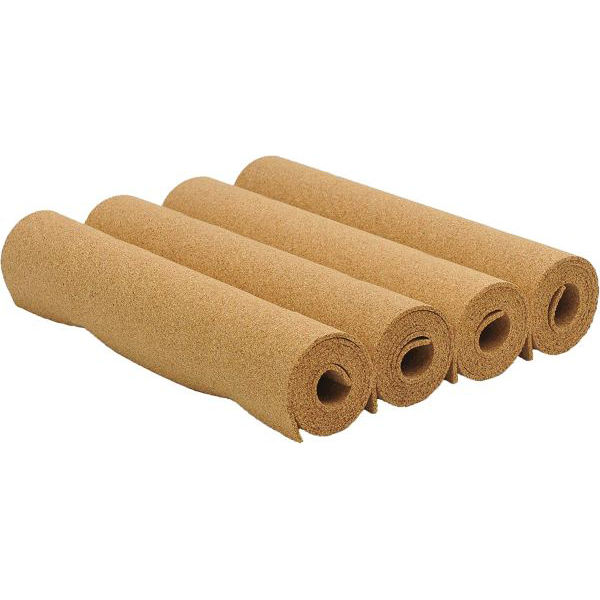
Cork rolls offer a unique advantage over traditional cork boards or tiles. They come in large, flexible sheets that can be easily cut and shaped to fit walls, ceilings, or floors. This flexibility reduces material waste and speeds up installation, especially in large-scale or irregularly shaped spaces.
For builders working on sustainable housing or green-certified projects, Large Cork Rolls provide an efficient and adaptable solution that’s hard to match with rigid alternatives.
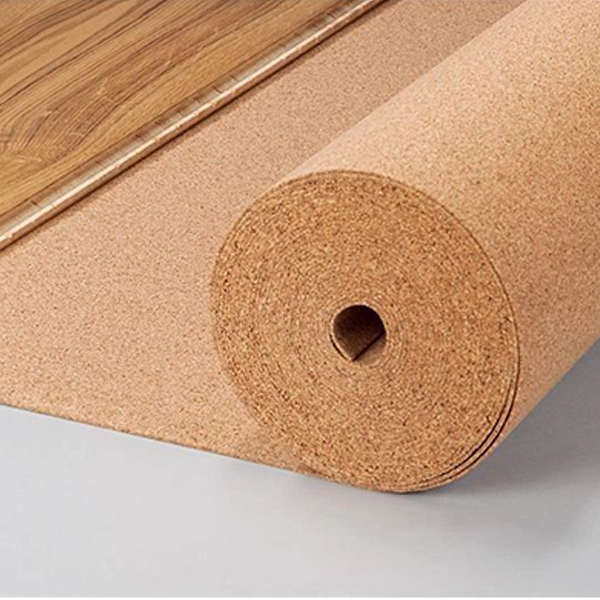
Cork rolls are more than just flexible — they deliver impressive performance across the board. Their natural composition provides excellent thermal insulation, helping regulate indoor temperatures and reduce energy consumption. They also excel in soundproofing, making them ideal for residential, commercial, and studio settings.
Moisture resistance is another key advantage. Cork doesn’t absorb water easily, which means it won’t warp, rot, or grow mold — a crucial feature for maintaining building integrity over time.
Professionals increasingly turn to Specialized cork solutions that align with both performance goals and sustainability standards.
| Feature | Cork Rolls | Fiberglass / Foam Insulation |
|---|---|---|
| Material Type | Natural, renewable, biodegradable | Synthetic, petroleum-based |
| Production Process | Low energy, minimal processing | Energy-intensive manufacturing |
| Environmental Impact | Carbon-negative, eco-friendly | High carbon footprint, non-biodegradable |
| Indoor Air Quality | No off-gassing, VOC-free | May emit VOCs and chemicals over time |
| Installation | Easy to cut and apply; no special tools needed | Requires safety gear and precise handling |
| Maintenance | Long-lasting, minimal upkeep | Can degrade, sag, or crumble over time |
| Performance in Temperature | Stable in hot and cold climates | May lose insulation value over time |
| Sound Insulation | Excellent acoustic dampening properties | Varies depending on type |
| Cost Efficiency (Long-Term) | Higher upfront cost, but better energy savings and lifespan | Lower upfront cost, but may need replacement sooner |
| Health & Safety | Safe for installers and residents | May cause skin/respiratory irritation |
Cork rolls align with major green building certifications like LEED, BREEAM, and WELL.
They contribute to points for low emissions, renewable sourcing, and indoor air quality.
Zero VOC emissions and carbon-negative production make cork a top choice for eco-conscious projects.
Governments are incentivizing low-carbon construction, boosting cork’s relevance.
Scalable cork production ensures long-term sustainability without harming the environment.
Cork rolls are ideal for modular and prefabricated construction systems, thanks to their flexibility and adaptability.
Used in hybrid construction — cork is now being combined with concrete, wood, and even 3D-printed materials.
Their elasticity and insulation properties make them a multi-functional material for evolving building needs.
As construction tech advances, cork rolls are becoming a core material in future-ready, sustainable design.
As the world pivots toward sustainable construction, the materials we choose today will shape the buildings of tomorrow. Cork rolls — often overlooked in favor of flashier innovations — quietly offer one of the most complete solutions for eco-friendly construction.
They’re flexible, renewable, and durable. They provide top-tier insulation performance without the health or environmental risks of synthetic alternatives. And perhaps most importantly, they align seamlessly with modern green building standards and practices.
While cork has long been used in various forms, cork rolls bring new potential to the table — especially in large-scale or custom-fit applications. They reduce waste, simplify installation, and meet the rising demand for materials that are both effective and environmentally responsible.
For builders, architects, and sustainability advocates, the message is clear: cork rolls aren’t just a trend — they’re a smart investment in the future of construction.

We specializes in high-quality cork sheets, rolls, and insulation solutions for industrial, commercial, and DIY applications. We focus on providing durable, sustainable, and easy-to-install cork products to meet diverse material and insulation needs.
Water marks on faucets can make an otherwise clean kitchen or bathroom look untidy. These marks ofte
14 October 2026
Daily wear and tear on walls is easy to ignore at first. A small scuff near a doorway, a chipped cor
1 June 2026
Be the first to share your thoughts
No comments yet. Be the first to comment!
Share your thoughts and join the discussion below.


.webp&w=3840&q=75)