Wednesday, July 15, 2026

* All product/brand names, logos, and trademarks are property of their respective owners.
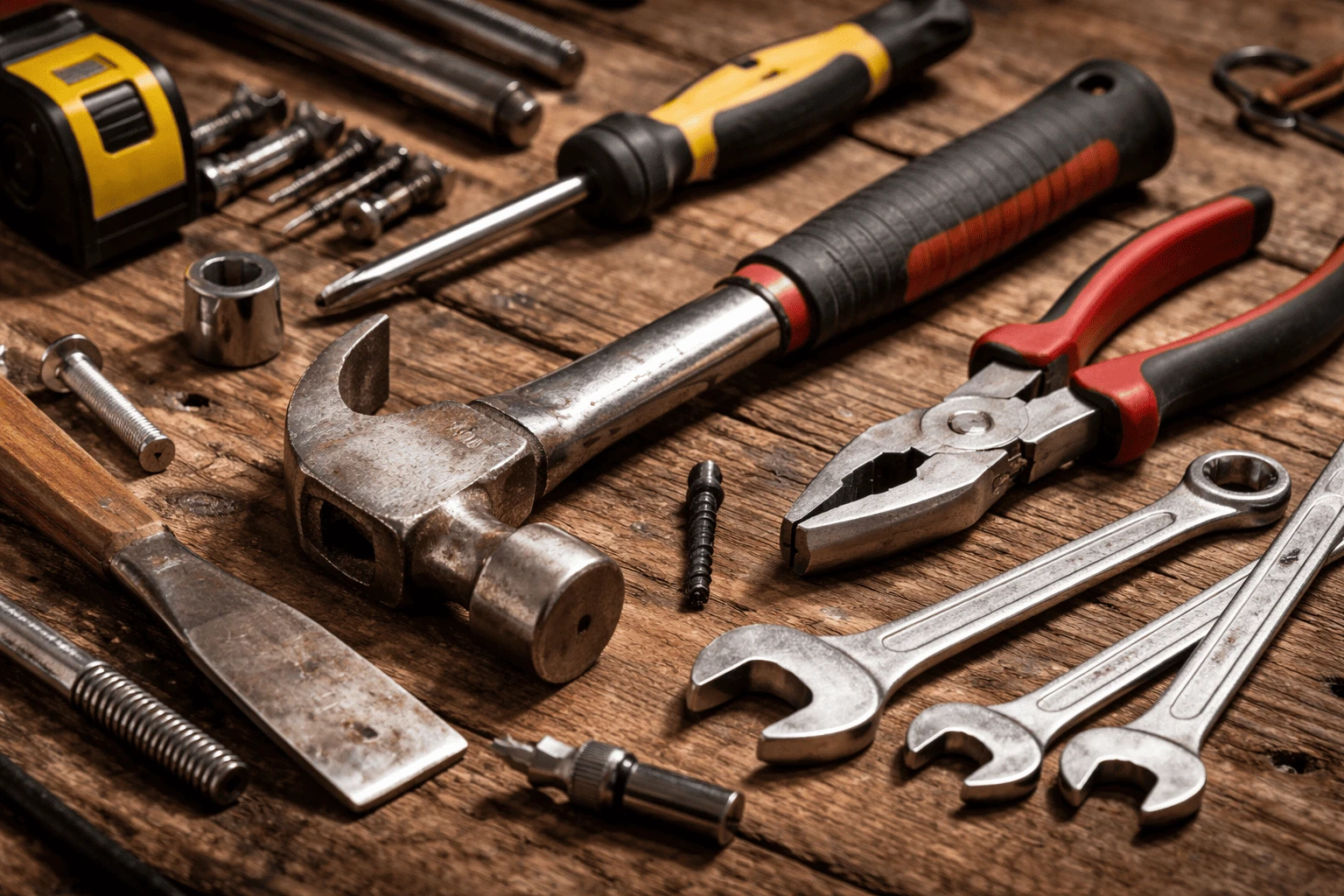
Whether you're a seasoned tradesperson or a DIY enthusiast, owning reliable hand tools can make all the difference. Good tools don’t just get the job done — they do it efficiently, safely, and repeatedly without breaking down. Unfortunately, many buyers fall into the trap of buying tools that look sturdy on the surface but fail under pressure.
Durability and reliability aren’t always obvious from price tags or packaging. That’s why it’s important to know what signs to look for before making a purchase. From material selection to build quality and even maintenance habits, identifying long-lasting tools is easier than you might think — once you know what to watch for.
We’ll walk you through the essential traits of high-quality hand tools, show you how to test their reliability, and highlight some of the most common mistakes people make when buying. Whether you're upgrading your toolbox or buying your first set, these tips will help you invest wisely.
When it comes to choosing hand tools that can truly go the distance, the first step is knowing what separates a high-quality tool from a cheaply made one. Below are the essential characteristics to look for — these determine how long a tool will last and how well it performs over time.
A tool is only as good as the material it’s made from. Look for terms like chrome vanadium steel, carbon steel, or forged alloy steel — these materials are known for their strength, resistance to corrosion, and ability to withstand high torque or impact.
Drop-forged tools, for instance, are stronger than those that are cast or stamped. The forging process aligns the metal's grain structure, making it more durable under stress. If you see a tool labeled “drop-forged” or “heat-treated,” it's usually a sign of long-term durability.
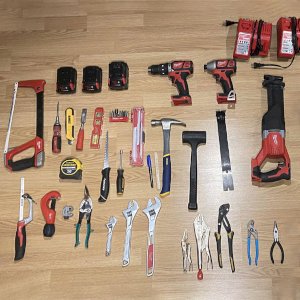
Beyond materials, a tool’s design also plays a huge role in reliability. Well-made hand tools will have tight-fitting joints, smooth operation, and minimal play or wobble. For example, pliers should open and close cleanly without grinding, and a ratchet should click smoothly without slipping.
Ergonomics is another key feature that’s often overlooked. Tools with non-slip, cushioned grips are not only safer to use but also help reduce fatigue — especially during extended use. Poorly designed grips, on the other hand, can crack, wear out quickly, or cause blisters.
If you’re comparing tools online, browsing a hand tools category makes it easier to review material quality, grip types, and manufacturing standards before buying.
Even when a tool looks solid in pictures or on the shelf, you can’t always judge its quality at a glance. That’s why it helps to know how to evaluate a hand tool’s reliability before making a purchase — especially if you're buying online or from a new supplier.
First impressions matter — and the finish of a tool often tells you a lot about its quality. Look for a clean, even surface with no rough edges, pitting, or visible seams. Chrome-plated tools, for instance, should have a smooth finish with no signs of bubbling or flaking — these can lead to rust or wear over time.
Also, check the fit of any moving parts. Wrenches should clamp tightly, screwdrivers should have solidly attached handles, and hammers shouldn’t have loose heads. Excessive “play” or wobble is usually a red flag for weak joints or poor manufacturing.
Product descriptions aren’t just filler — they’re a goldmine of info if you know what to look for. A reliable hand tool listing will clearly mention:
Material type (e.g., forged steel, stainless)
Treatment (e.g., heat-treated, anti-corrosive finish)
Grip design (e.g., rubberized, ergonomic)
Standards met (e.g., ISO, ANSI)
If a tool description is vague or overly general, it might be hiding quality issues. Suppliers who are confident in their products often provide clear technical specs.
Even experienced buyers sometimes make decisions that lead to regret later. Whether it's rushing through a purchase or being tempted by a low price, these missteps can cost more in the long run. Here are some of the most common mistakes — and how to avoid them.
We all want a good deal, but when it comes to hand tools, cheap often means short-lived. Lower-cost tools may use weaker materials, poor finishing, or substandard assembly methods. These tools might work fine for a few jobs, but they’ll wear out — or worse, break — much sooner.
A better approach is to look for value, not just the lowest number. A slightly higher investment in a tool that lasts 5–10 times longer often saves money over time. Look for mid-range tools with solid materials and build quality that meet industry standards — even if they cost a bit more upfront.
Even the best tools won’t last long if they’re not taken care of. One of the biggest mistakes people make is storing tools in damp or cluttered environments where they can rust, chip, or get lost.
To get the most life from your gear:
Wipe down tools after use to remove moisture and debris
Store them in a dry, organized toolbox or drawer
Use light machine oil or anti-rust spray on exposed metal parts
Sharpen or calibrate tools regularly, especially cutting or measuring tools
Reputable suppliers are usually transparent about specifications, as seen on detailed product pages from M Industrial Safety, where materials, finishes, and tool standards are clearly listed.
Choosing durable and reliable hand tools doesn’t have to be complicated — but it does require a bit of attention to detail. From checking the materials and design to knowing how to inspect build quality and avoid common buying mistakes, a little knowledge goes a long way.
The right tools not only perform better but also help you work more efficiently and safely. Whether you're investing in tools for daily professional use or weekend DIY projects, focus on quality, not just cost. And once you have the right tools, proper care and storage can significantly extend their lifespan.
By applying the tips in this guide, you’ll be able to build a toolkit that lasts for years — saving you time, money, and frustration in the long run.

M Industrial Safety UK supplies reliable, high-quality safety and industrial products for workplaces across the UK. From PPE and safety footwear to site and industrial equipment, we provide compliant solutions designed to protect people and support professional environments. With a focus on quality, reliability, and customer service, we help businesses stay safe, efficient, and compliant — every day.
Oil spills in outdoor and marine environments can cause environmental damage, safety risks, and cost
30 May 2026
In today’s digital-first world, mobile applications are no longer a luxury. They are a necessi
13 May 2026
Industrial accessories rarely fail because of one dramatic mistake. More often, performance declines
18 February 2026
Be the first to share your thoughts
No comments yet. Be the first to comment!
Share your thoughts and join the discussion below.


11.webp&w=3840&q=75)

.webp&w=3840&q=75)





.webp&w=3840&q=75)