Monday, October 19, 2026

.webp)
* All product/brand names, logos, and trademarks are property of their respective owners.
In interior design, it’s often the smallest details that create the biggest impact. Flat bar trims are one of those subtle elements that can completely refine a space. While they don’t dominate a room, their presence contributes to polished, professional-looking interiors and smooth transitions between materials.
Flat bar trims serve multiple purposes: they conceal unsightly gaps, protect vulnerable edges, and create visually clean lines between different surfaces. From minimalist modern homes to functional commercial spaces, these trims offer both practical and aesthetic value. Choosing the right trim material and finish ensures durability, style, and a seamless integration into the overall design. This guide explores how flat bar trims can enhance interior spaces, what materials to consider, and how subtle design choices can elevate both residential and commercial environments.
Flat bar trims are often overlooked, yet they play a pivotal role in creating harmony within a space. Beyond covering gaps or protecting edges, they frame rooms, guide the eye, and define transitions between materials such as tiles, wood, and laminate flooring. In contemporary UK interiors, trims are increasingly used as architectural accents. They outline doors, windows, and corners, and can even serve as minimalist skirting alternatives. Carefully selected trims provide structure without drawing attention away from the overall design, making them a subtle but effective finishing tool.
Functionality is at the heart of flat bar trims. They conceal uneven joins, protect surfaces from moisture damage, and reinforce high-traffic areas. The combination of durability and aesthetics is what sets these trims apart. For instance, a white PVC trim can create a continuous edge that blends seamlessly with neutral décor, ideal for windows, doors, and architraves. Meanwhile, metal trims provide a stronger, longer-lasting solution in spaces that experience heavier wear or moisture exposure. Incorporating trims thoughtfully ensures that a renovation or upgrade achieves both professional and practical results.
Selecting the right material is key to achieving the desired balance of style, functionality, and longevity. In the UK market, PVC, aluminium, and stainless steel are the most common options, each suited to specific applications.
PVC Trims: Lightweight, flexible, and cost-effective. PVC is ideal for bathrooms, kitchens, and interior doors where water resistance and ease of installation are important. Self-adhesive variants further simplify fitting, especially in DIY projects or temporary spaces.
Aluminium Trims: Offer a modern aesthetic and moderate durability. They are easy to handle and suitable for both residential and commercial interiors seeking a contemporary edge.
Stainless Steel Trims: Exceptionally strong and corrosion-resistant, making them ideal for high-traffic areas, wet environments, and spaces requiring a sleek, professional finish.
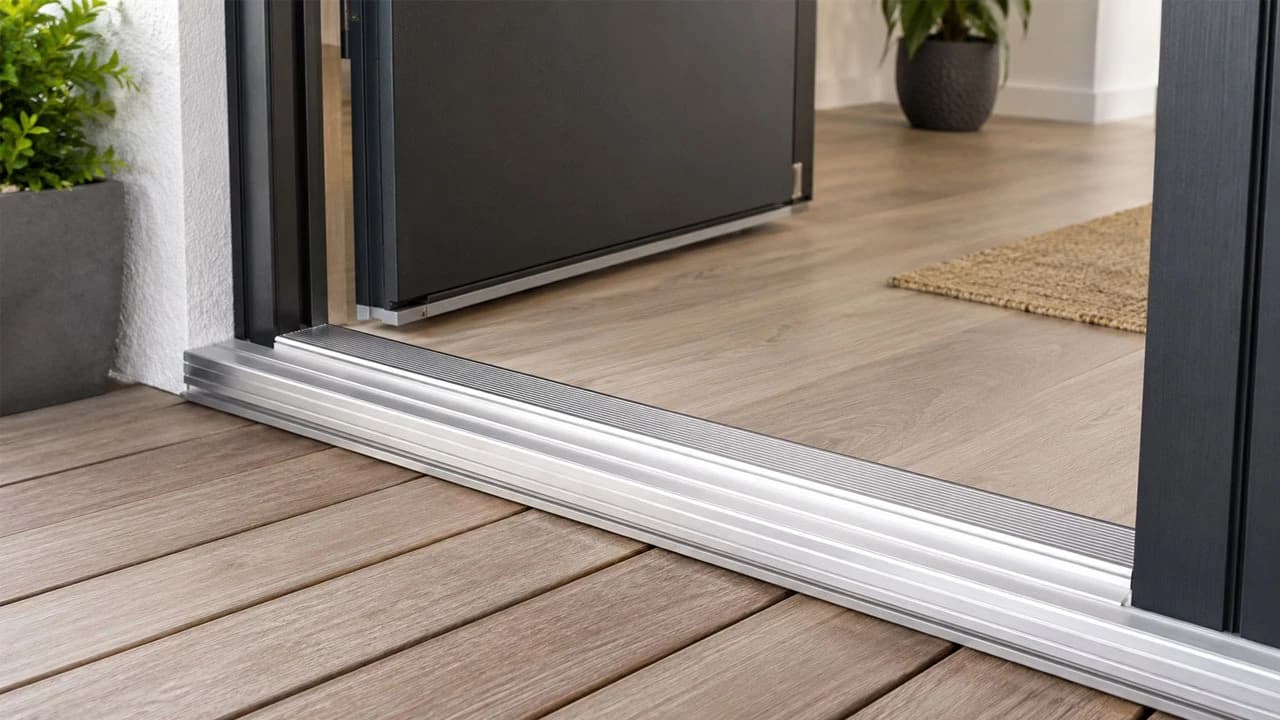
Aluminium trims are perfect for those who want a metallic look with straightforward installation. Their versatility suits industrial and modern interiors, while still allowing for DIY-friendly application. Stainless steel, by contrast, is best suited to heavy-use zones or moisture-prone areas. Its durability and polished finish provide both protection and style, ensuring longevity in demanding environments. For transitions at floor thresholds, trims can provide continuity, protect edges, and maintain a seamless flow between different surfaces.
Trims are not just functional—they are an opportunity to influence the visual flow of a room. The right colour and finish can create contrast or blend seamlessly with walls, flooring, and fixtures.
Black Trims: Provide definition and structure in modern or neutral interiors without dominating the design.
White Trims: Offer a timeless, understated appeal suitable for both traditional and contemporary schemes.
Metal Finishes: Brushed aluminium complements industrial-style interiors, while polished stainless steel suits luxury or commercial environments that emphasise precision and finish.
Current UK interior trends—functional minimalism, open-plan living, and industrial accents—lend themselves well to the inclusion of flat bar trims. They:
Create clean transitions between open spaces
Reinforce the geometry of modern interiors
Provide a cohesive, professional finish without bold design statements
Whether in living rooms, hallways, kitchens, or offices, well-placed trims enhance the perception of space and cohesion while remaining subtle.
Not all interior improvements require tools or professional installers. Self-adhesive flat bar trims simplify upgrades, particularly in rented or temporary spaces. They bond to a variety of surfaces, including painted plaster, tiles, and metal, without the need for screws or nails. This convenience makes them ideal for addressing imperfections, framing windows, or creating clean lines along skirting or architraves. Their flexibility ensures that even challenging corners or uneven surfaces can be neatly finished.
For renters, landlords, or anyone preparing a property for sale, self-adhesive PVC trims offer an adaptable solution. They can be removed and repositioned with minimal damage, allowing for budget-friendly updates that still maintain visual impact. These trims provide a practical, flexible option for both temporary and permanent interior improvements.
Flat bar trims may be modest in size, but they play an important role in shaping interior spaces. They help create clean transitions between surfaces, protect exposed edges, and contribute to a more cohesive overall finish. The choice of material is typically guided by use and environment: PVC suits lighter applications and simple installations, aluminium provides a contemporary visual contrast, and stainless steel is often selected for areas requiring greater durability. Self-adhesive formats can also be useful where flexibility or ease of installation is a priority.
Understanding the functional and visual role of trims allows both homeowners and professionals to make informed decisions that support long-term performance and design consistency. Subtle elements like these often define the difference between a space that feels complete and one that feels unfinished. Further reference material and examples related to door thresholds and trim applications can be found at doorthresholds.uk, supporting informed planning and specification without focusing on specific products.

Door Thresholds UK is a specialist supplier of high-quality door thresholds and flooring transition solutions for residential and commercial properties. The company focuses on providing durable, precise, and easy-to-install products designed to improve finishing, safety, and aesthetics.
A home elevator can make everyday movement between floors more convenient, especially in multi-store
25 September 2026
Renovating a home in the UK often means paying close attention to small details that make a big diff
17 August 2026
Smart homes are becoming more common in modern properties. Many property owners now look for better
18 May 2026
Be the first to share your thoughts
No comments yet. Be the first to comment!
Share your thoughts and join the discussion below.



.webp&w=3840&q=75)